You don't need to be a good chess player to give your child a brilliant start — you just need the right order of steps. Here's the approach we recommend to parents, and it works even if you barely remember how the horsey moves.
1. Start with one piece — the pawn
Don't set up all 32 pieces on day one; that board is overwhelming. Put out just the pawns and play the pawn race: first pawn to the other side wins. It's fast, it's fair, and your child learns movement, capturing and thinking ahead without noticing. Add one new piece every game or two — rooks next, then bishops, queen, knights (the trickiest), and the king last.
2. Play mini-games, not full games
Short, winnable games keep the fun high: queen versus three pawns, knight-catches-the-pawns, rook mazes. A five-minute game your child finishes beats a forty-minute game they abandon. Full games can wait until the pieces are old friends.
3. Celebrate ideas, not just wins
The most useful sentence a chess parent can say is: "Ooh, why did you do that?" — said with genuine curiosity, whether the move was brilliant or a blunder. You're building a child who thinks about their choices, not one who's scared of being wrong.
4. A puzzle a day beats an hour a week
Little and often wins. Chess puzzles — find the best move in a set position — are the fastest way young players improve, and they feel like games rather than homework. We publish a free Puzzle of the Day with easy, medium and hard levels, using genuine positions from real games. Two minutes at breakfast is plenty.
5. To let them win, or not?
Neither extreme. Crushing a six-year-old 20 games straight teaches nothing but misery; losing on purpose every time teaches nothing at all. The sweet spot: play slightly below full strength, let real chances appear, and when they find a good move — let it work. When they beat you honestly for the first time, you'll both remember it.
6. Know when a coach takes over
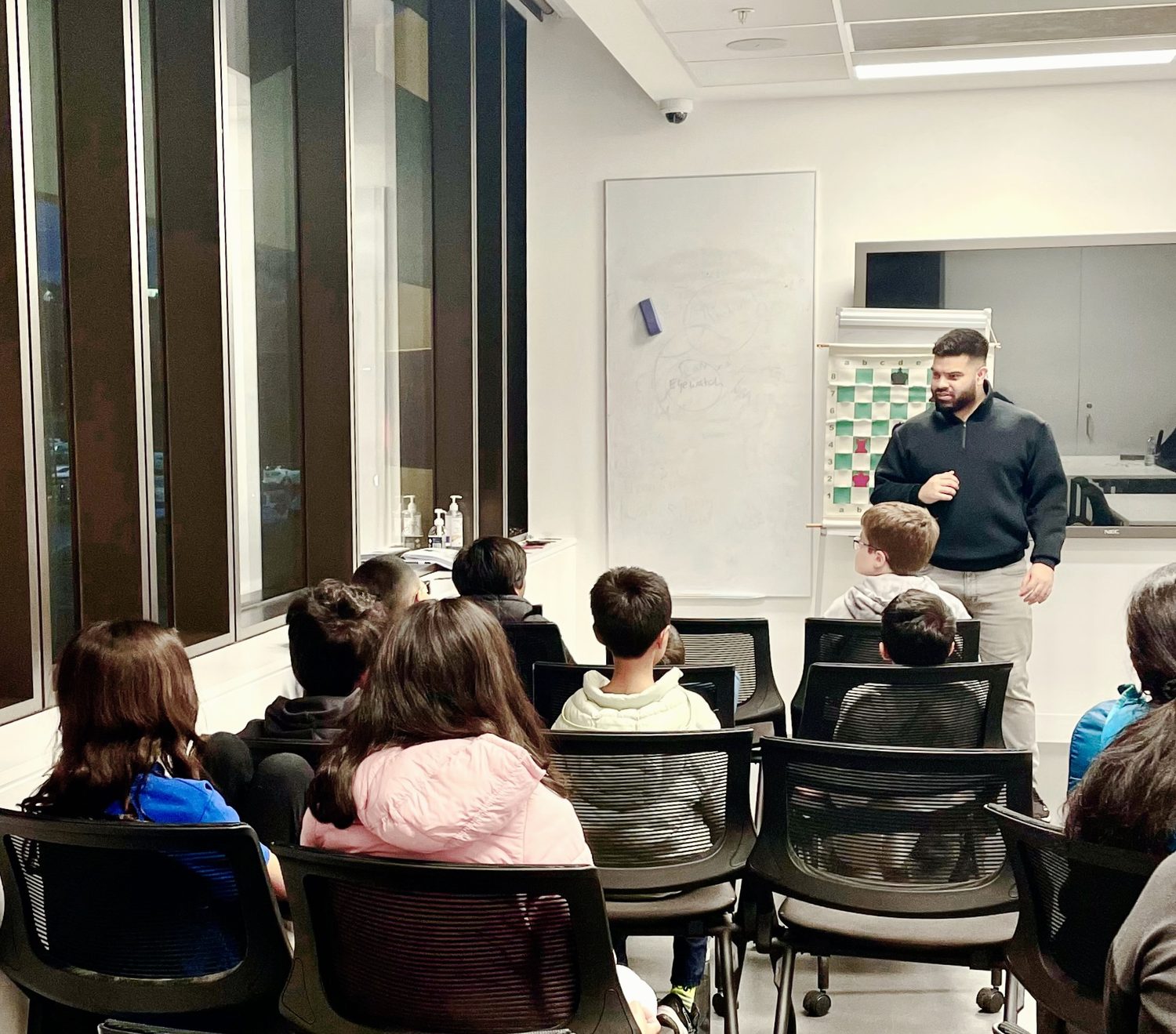
Home chess has a natural ceiling. The signs it's time for a class: they beat everyone in the house, they're asking questions you can't answer, or they want to compete. A weekly class adds structure, opponents their own age and level, and a coach who knows how kids actually learn — at Oz Chess Kids, a registered Victorian Teacher and national-level player.
The first lesson is free, and beginners are always welcome — most of our students walked in knowing only how the pieces move, or less. We're at Bunjil Place in Narre Warren, an easy trip from Narre Warren, Hampton Park, Endeavour Hills and across the South East.