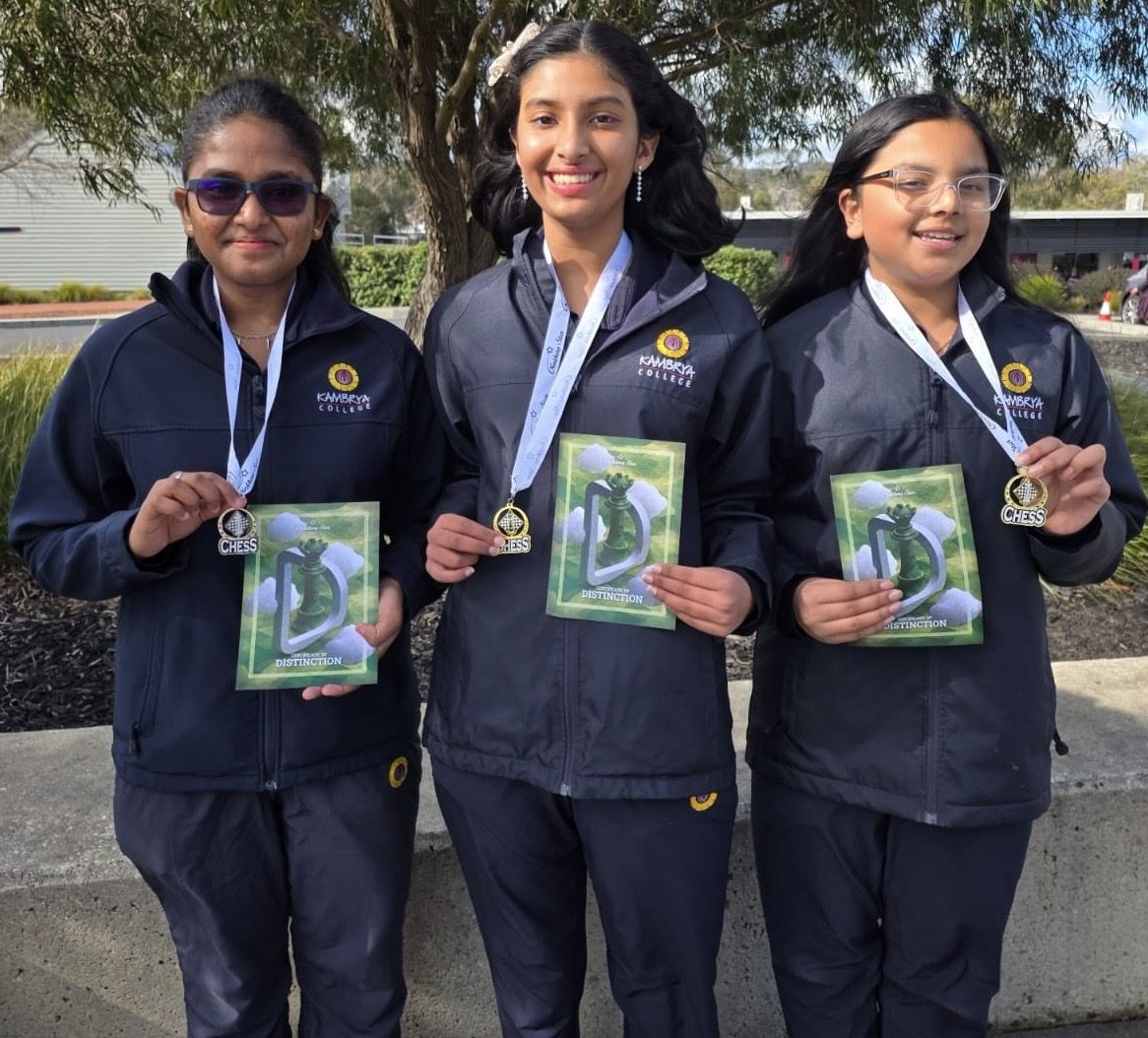
Ask a parent at pick-up time what chess has done for their child and they rarely mention checkmates. They talk about focus at homework time, patience with siblings, and a kid who's learned to lose without falling apart. The trophies are lovely — but these are the real wins.
Thinking skills that show up at school
- Concentration. A chess game asks a child to hold attention on one thing, quietly, for longer than almost any other activity they'll choose voluntarily. That muscle transfers directly to the classroom.
- Planning ahead. "If I go here, they go there…" is literally the skill of thinking before acting — and it's rehearsed on every single move.
- Pattern recognition and memory. Young players learn to recognise shapes and situations they've seen before, the same mental habit behind strong reading and maths.
- Decision-making with consequences. Chess gives instant, honest feedback. A rushed decision costs a piece — a lesson no worksheet can teach as memorably.
The emotional wins matter even more
Chess is one of the safest places a child can practise losing. Every player — including world champions — loses constantly, and a good club treats losses as puzzles to solve rather than disasters. Over a term you can watch a child move from tears, to a shrug, to "can we set up the board again?" That resilience is worth more than any certificate.
Then there's the quiet confidence. Chess doesn't care how tall, sporty or loud you are. For plenty of kids, it's the first arena where they discover they can be genuinely good at something — and the medals on our winners' wall are usually followed by a visible change in how a child carries themselves.
A social game (yes, really)
It surprises parents, but a kids' chess club is a noisy, friendly place between games. Children make friends across ages and schools — a shy seven-year-old and a chatty eleven-year-old can be perfectly matched opponents and firm friends. Our classes at Bunjil Place bring together kids from all over Melbourne's South East, and the friendships travel between suburbs.
Screen-free, but they choose it
Chess competes with the iPad on the iPad's own terms — strategy, progression, "one more game" — but face to face, across a real board. Most parents don't have to negotiate chess time. Kids ask for it.
Give it one free lesson
The benefits above don't come from a lecture — they come from playing, weekly, with a coach who makes it fun. At Oz Chess Kids that coach is a registered Victorian Teacher and national-level chess player, and your child's first lesson is free. Come and see what a class feels like — Mondays, Tuesdays and Thursdays at Bunjil Place, Narre Warren.