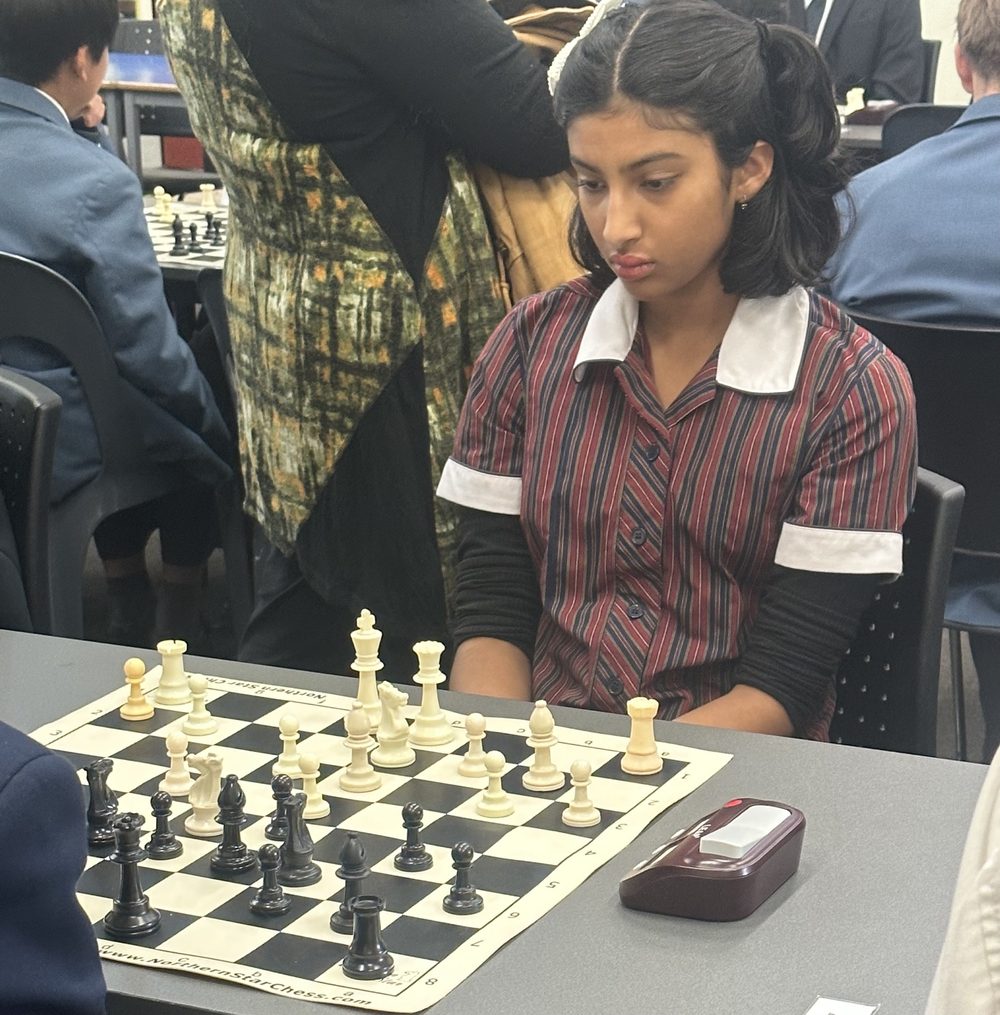
"He can't sit still for five minutes." We hear it at least once a term from a new chess parent — usually followed, a few months later, by "I can't believe that's the same kid." Focus isn't a fixed trait. It's a skill, and like any skill it grows with the right practice. Chess happens to be one of the most enjoyable practice grounds ever invented.
Why chess holds attention when other things don't
Ask a child to "concentrate" on nothing in particular and you'll get thirty seconds. Chess is different for three reasons:
- Something is always about to happen. Every move changes the board. Attention is rewarded immediately — look away and you miss the threat.
- Consequences are real but safe. Miss your opponent's idea and you lose a knight — not a mark on a test, not a telling-off. The board teaches carefulness more gently and more memorably than any adult can.
- The challenge fits the child. A good opponent is one who's about as strong as you. Matched games sit exactly at the edge of a child's ability — the zone where focus comes naturally.
The habit that transfers: think first, then move
Every chess coach teaches the same golden rule: when you see a good move, sit on your hands and look for a better one. Rehearsed weekly, that pause becomes a habit — and it's the exact same pause that helps a child re-read the question before answering, or think before reacting in the playground. Parents tell us they notice it at homework time first.
What a term of chess does
In our classes at Bunjil Place, the pattern is remarkably consistent. Week one: a beginner fidgets between moves and plays instantly. By mid-term: they're staying with games to the end. By the end of term: they're spending a full minute studying a position — by choice — because they've learned that looking harder wins games. Nobody told them to concentrate. The game did.
Helping it along at home
- Short and daily beats long and rare. One puzzle a day builds the focus muscle better than a marathon on Sunday.
- Finish games. Even lost positions — playing to the end is itself concentration training.
- Quiet matters. A game at the kitchen table with the TV off is worth three with it on.
See it for yourself
Watch a room of thirty kids in total silence, each staring at a board, and you'll believe children can concentrate — we see it every week. Your child's first lesson is free at Oz Chess Kids, Bunjil Place, Narre Warren — coached by a registered Victorian Teacher and national-level player, with families joining from Berwick, Cranbourne and right across Melbourne's South East.